Confession: I gained 15 lb writing my first two books

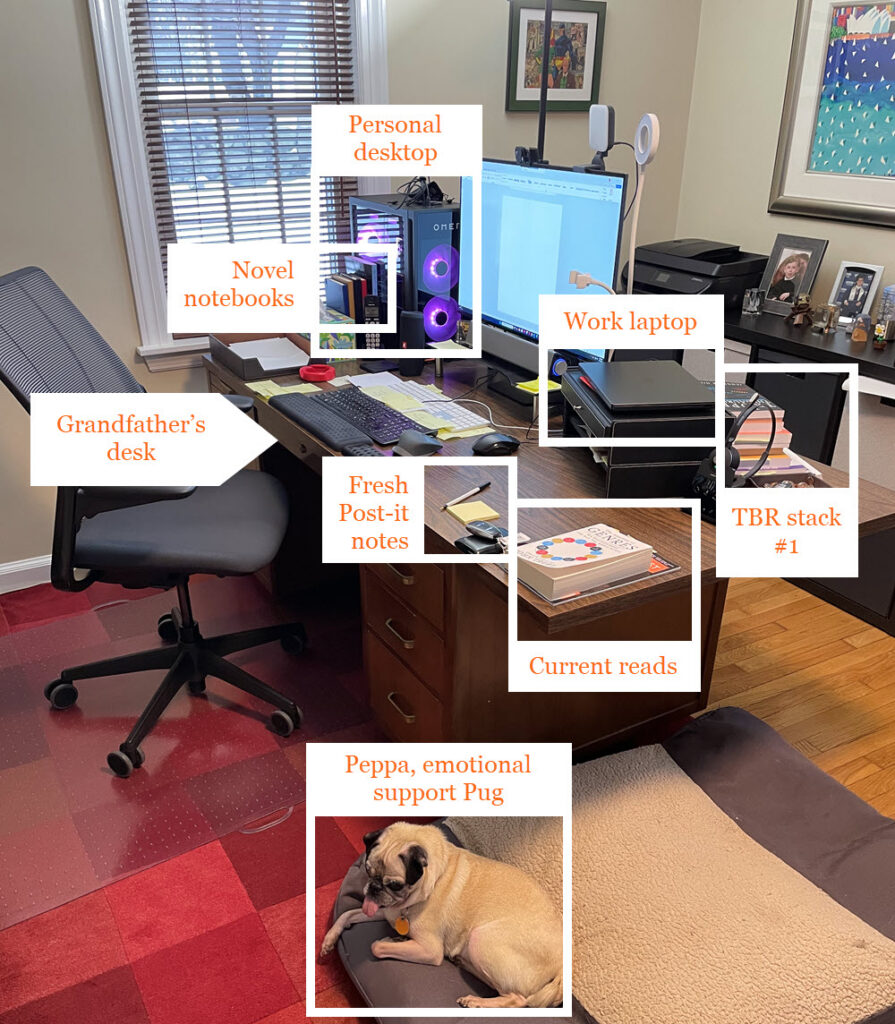
Writing books is a long-term commitment to a solitary and sedentary activity. If you have a sedentary day job like me, then it can be a double-whammy for your health, as well as your social life.

Weight gain

After collecting notes for more than a year, I wrote my first book in an intense 3-month stretch. The 214-page first edition of Email Marketing Rules consumed nearly every night and every weekend. I gained 5 lbs. during the writing of it.

The second 322-page second edition of Email Marketing Rules took more than 6 months of nights and weekends to write. I gained 10 lbs. this time around.

It wasn’t just that I was sitting for 12+ hours a day. It was also that it was a series of sprints—pushing to get a draft out to beta readers, pushing to get a round of edits done, pushing to get the jacket copy finished, and on and on. For me, hitting those deadlines meant lots of caffeine and sugar to fuel late nights.

Neglect of family commitments

At the same time, I also bowed out of various family outings and pushed more household responsibilities onto my wife Kate. She was understanding with the first book, but not so much with the second.

Kate is super-understanding and supportive, but it’s fair to say that, after 6 months of shouldering an outsized percentage of parenting and household duties, she was pissed. She also knew this wasn’t my last book.

I vowed to do better. I promised not to opt-out of family activities and to wrap up evening writing sessions by 9-ish. For the three subsequent nonfiction books I’ve published and two fiction books I’ve written, I’ve kept my word. 

That has required longer time-horizons for books, but I think more planning and development has been better for the quality of my books as well. And it has certainly been better for my health, as I was able to drop all the weight I’d gained.

Resolve to write healthier

Some activities like writing can be hard on your body. Both real and self-imposed deadlines can make them even harder. As you set your goals for the year ahead, make sure you’re not unintentionally sacrificing your health or family responsibilities.


Related posts:

Confession: I love em-dashes

Confession: I love physical books


To receive future posts for free or to become a Patron and support my dystopian sci-fi novel and get special thank-you goodies upon its publication… 

Confession: I’ve written all my books in Microsoft Word

For my day job, I write almost everything in Google Docs, because of the easy sharing and collaboration. But I’ve always written my books in Microsoft Word. Back in 2011 when I started writing my first book, I looked at Scrivener, which was the No. 1 book-writing tool at the time. I wasn’t that impressed.

Today, I know there are many more alternatives to Word, including Atticus, Bibisco, Living Writer, Squibler, and Ulysses. (Kindlepreneur has a good comparison article.) But I’m still skeptical about whether any of them are worth it.

I’m not into timers. Too stressful.

Drag-and-drop chapters and sections? Copy and paste work just fine.

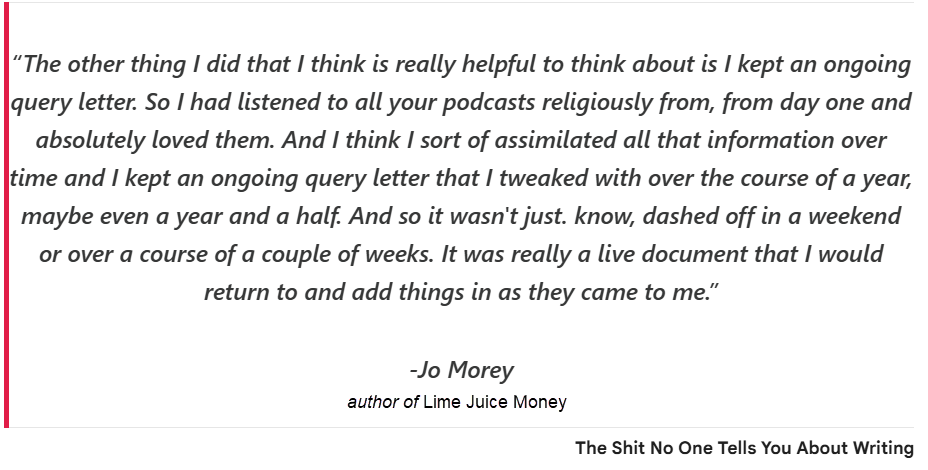
And I know that word count goals are a big deal to many, but they’re not for me. I feel just as fulfilled when I complete some key research, cut 100 words, or do some other vital task that doesn’t rack up the word count. 

Word seems good enough-ish

Even though Word’s spelling and grammar checks are absolute garbage, it offers extensive formatting options and plenty of organizational hacks. For instance, I use headers for each chapter, and then keep the Navigation pane open to easily jump to a particular chapter. In that header, I include the chapter number, the latest word count, and a one-line description of the chapter’s action.

And then when it comes time to share with an agent or editor, Word is the format everyone expects.

Am I missing out?

Writers, if you use something other than Microsoft Word, what do you use and do you like it? What features do you find the most indispensable? Please comment and let me know.


To receive future posts or to become a Patron and support my dystopian sci-fi novel and get special thank-you goodies upon its publication, subscribe on Substack →

Confession: I love physical books

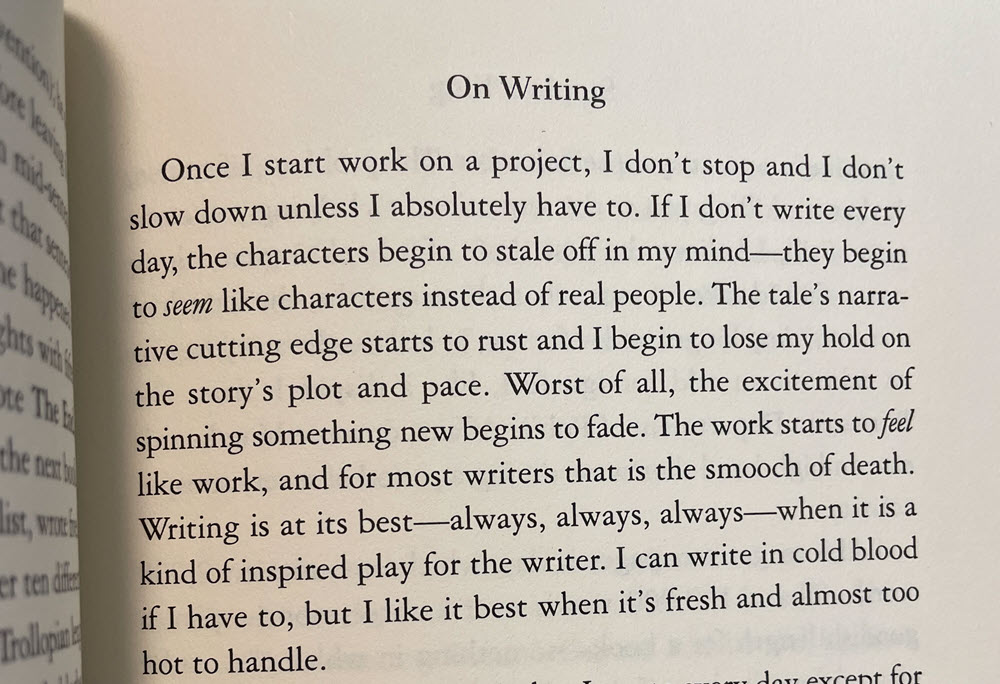
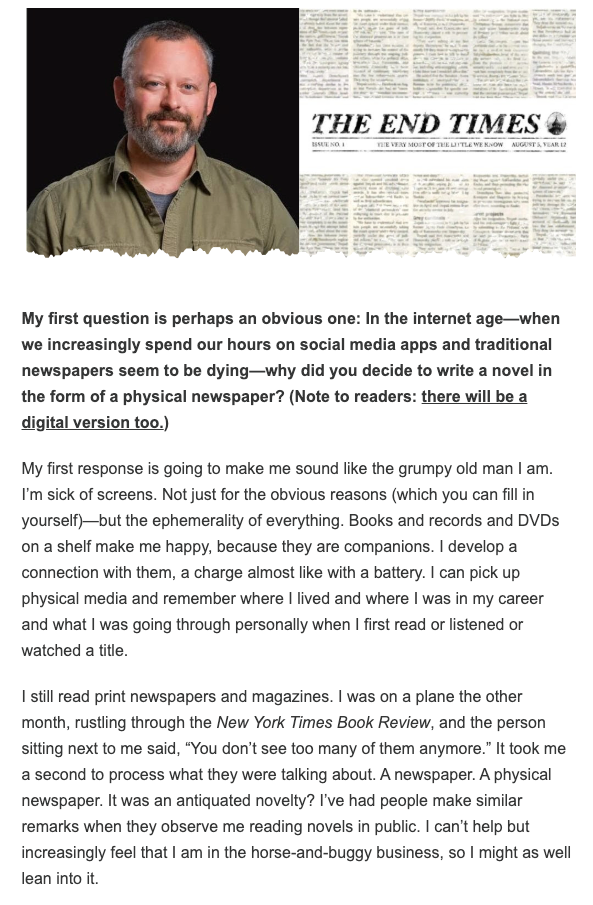
In a recent issue of Lincoln Michel’s Counter Craft, he interviewed author Benjamin Percy, who said, “I was on a plane the other month, rustling through the New York Times Book Review, and the person sitting next to me said, ‘You don’t see too many of them anymore.’ It took me a second to process what they were talking about. A newspaper. A physical newspaper. It was an antiquated novelty? I’ve had people make similar remarks when they observe me reading novels in public. I can’t help but increasingly feel that I am in the horse-and-buggy business, so I might as well lean into it.”

While I read the Times and all my other news online, it’s very rare for me to buy an ebook. I much prefer physical books.

In part, that’s because I already stare at a screen for 11+ hours a day on average, between work and writing. The last thing I want to do is read a book on my phone. I know Kindles are much easier on the eyes, but if you’ve seen any of my book reviews, you know I love to dog-ear and put Post-its in my books so I can easily find the best passages.

But I also agree with Benjamin that physical books are like mementos that remind us of the first time we read them and who gave them to us. They’re also a form of interactive autobiographical art. For instance, when someone sees the books on the shelves behind my desk, that tells them something about me.

Our little free library gets lots of use

While we don’t have a library room (my wife Kate would love to have the library out of The Beauty & The Beast), we do have a room’s worth of books scattered across the 15 bookshelves throughout our house—two of which are guarded by our homemade Rubik’s Cube Charizard.

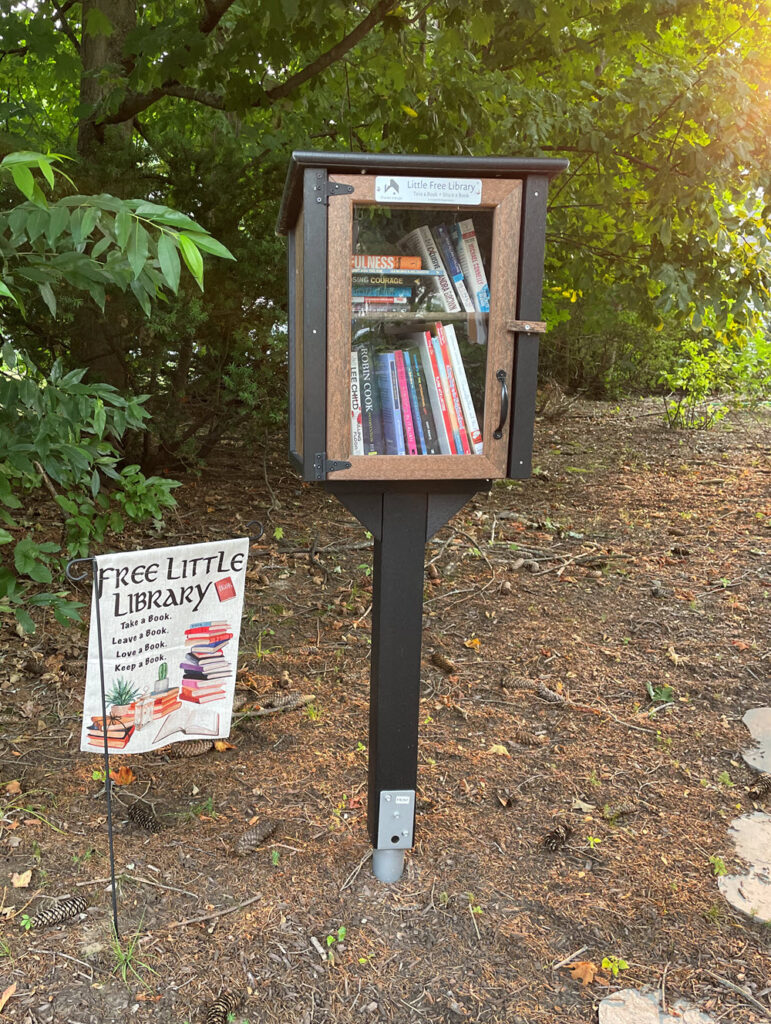
We also have a Little Free Library. Honestly, Kate was the driving force behind setting that up. I was really skeptical it would see much use. But it totally has. I walk by it multiple times a day when I walk our dog, Peppa Pug, and the books are regularly turning over. It’s a joy to see so many people getting use out of it, including kids. If you’ve been on the fence about setting one up, I encourage you to go for it.

Excerpt from Lincoln Michel’s interview with author Benjamin Percy

Related posts:

Confession: I gained 15 lb writing my first two books

Confession: I love em-dashes


To receive future posts for free or to become a Patron and support my dystopian sci-fi novel and get special thank-you goodies upon its publication… 

Confession: I love em-dashes

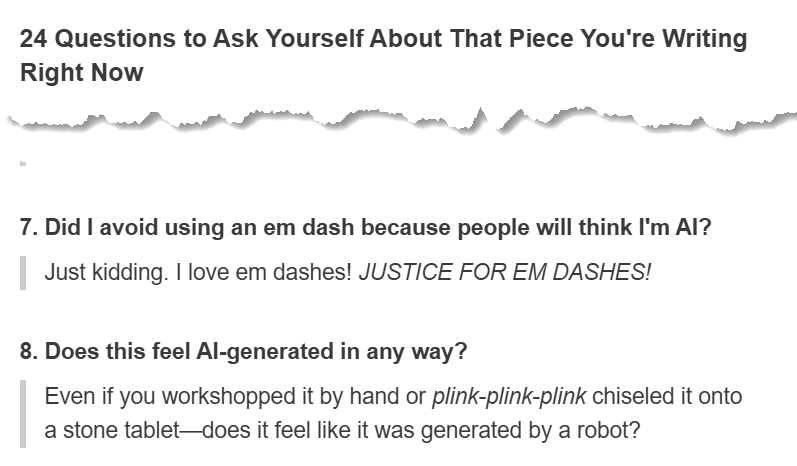
Because generative AI engines like ChatGPT use them a lot, some writers are starting to reconsider their use of em-dashes (which are so named because they’re the width of a capital M). I get it. No one wants to be accused of using genAI when they didn’t. 

But the fact that genAI produces copy with a healthy number of em-dashes only means that em-dashes are well-represented in their training material, and are therefore a staple of good writing. Cutting the versatile em-dash from your writing will only leave it worse off.

For what it’s worth, I use them all the time in my business writing. Heck, there are five in my latest article for CMSWire. And in the draft of book 1 of my sci-fi trilogy, I have more than 600 em-dashes. That comes out to one about every 150 words on average.

That may sound like a lot, but I use them …

  1. When a character’s speech is interrupted—by another character, a door slamming, or an explosion
  2. When a character stutters when they’re flustered (e.g., “I— I think”)
  3. For labored speech, like when they’re out of breath
  4. When a character’s thoughts are labored and fractured, like before they pass out
  5. To offset a clause more emphatically than a comma can
  6. For asides in speech, instead of using parentheses
  7. Before a list, instead of using colon

Beyond that, they’re just a fantastic tool for controlling the rhythm of a sentence. So, no matter what genAI spits out, I’m going to keep using em-dashes. And for the record, I’m going to keep using periods and commas, too, even though those are also suspiciously common in genAI copy.

From Issue 192 of Total Annarchy, a wonderful newsletter by Ann Handley

Related posts:

The Age of De-Skilling: Who do you want to be?

Where to draw the line with genAI


To receive future posts or to become a Patron and support my dystopian sci-fi novel and get special thank-you goodies upon its publication…